THE FPI WEEKLY
WEEK ENDING NOV 07, 2026
Market cools to about 9% above fair value as the AI trade wobbles

FPI MARKET INDEX · NOV 07, 2026
WEEK ON WEEK
+9.7%→+9.1%−0.6 pp
US · EUROPE
+15.4%·+1.0%14.4 pp gap
BREADTH · UNDER / FAIR / OVER
29%·21%·49%
STOCKS TRACKED
1,600 stocks
MOST OVERVALUED
Technology 26.7%
MOST UNDERVALUED
Financial Services 30.0%
4 MIN READ
THE WEEK IN 3 POINTS
- 01Tech sold off hard — the Nasdaq fell into a correction, over 10% below its recent high, led by chipmakers.
- 02Banks and insurers are the lone bargain, trading about 30% below fair value even as the big banks beat earnings.
- 0373 stocks dropped into undervalued territory; October inflation data and Cisco's earnings land next week.
A ROUGH WEEK FOR TECH, AND THE MARKET GETS A TOUCH LESS PRICEY
Right now the market looks a little expensive — FPI puts it about 9% above fair value, so prices are running a bit ahead of what the businesses underneath are worth. That's a small step cheaper than last week's roughly 10%. Nothing dramatic, just a mild easing. One thing to keep in mind: FPI's reading is a long-term signal about value, not a scorecard for one week of headlines — so a wild week like this one barely nudges it.
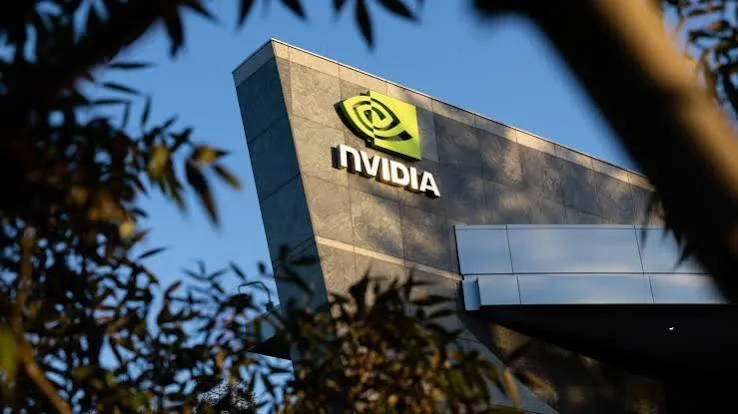
And wild it was. All three major averages posted losses on the week, even after Wednesday's big rally in the wake of the election — the Nasdaq lost about 3% and the S&P 500 dropped about 3%. The trigger was a sharp sell-off in AI-linked stocks: the Nasdaq tumbled into what Wall Street calls a correction, closing more than 10% below its recent high, while the S&P 500 lost over 4% in a single brutal session and the Dow fell more than 1,800 points. Chipmakers like Nvidia, Broadcom, Micron, and AMD were among the hardest hit. Part of the jitters: a wave of Democratic wins by anti-AI candidates added to existing fears about the durability of the AI boom. Things steadied by Friday, though — AI stocks bounced back and recovered some of their sell-off from earlier in the week. Still, even with stocks ending the week on a positive note, it wasn't enough to stave off the S&P 500's worst weekly performance since June.
WHERE IT'S EXPENSIVE, WHERE IT'S CHEAP
The priciest corner is still tech. FPI sees technology stocks trading about 27% above what it thinks they're worth, with healthcare close behind at roughly 24%, and industrials around 21%. That's the frothy end — prices have run well ahead of FPI's fair-value math. Worth noting: this was the week money started walking the other way. Markets stayed in a "risk-off" mood, with cash rotating into staples, health care, utilities, real estate, financials, and materials, and out of technology.
The bargain bin is clearly labeled: financial services. FPI pegs the typical bank or insurer at about 30% below fair value — the only sector trading at a real discount, and a big one. That's despite a strong showing from the group; the five largest U.S. banks all reported earnings that beat expectations. One eye-catcher this week was Bank of America, which drifted near its 52-week low around $49.50, with some analysts calling the sell-off a buying opportunity. Utilities and real estate sit right around fair value, so they're neither cheap nor stretched. If you've been hunting for value, the discounted end of the market is worth a spot on your watchlist — you can set a buy price in the FPI app and let the price come to you.
FIRST SOLAR AND FRONTLINE FALL BELOW FAIR VALUE
The big story was First Solar (FSLR). It beat on profit but its sales told a different tale — revenue came in at about $1.23 billion, missing Wall Street forecasts, and management trimmed its full-year sales outlook to about $4.75 billion from $5.05 billion in July while adding a $500 million share buyback. The company is squeezing more profit out of each sale rather than growing — its gains have come from higher profit on each sale, not sales growth, with gross margin at roughly 58% versus 38% a year earlier. In FPI's eyes, the stock flipped from looking about 47% pricey to roughly 38% cheap relative to fair value. Frontline (FRO), the oil tanker shipper, also swung hard from pricier than fair value to well below it; its most recent session saw the stock fall nearly 8%, and it doesn't report its next quarter until late November, so watch for that.
Going the other way, a handful of names got much pricier versus fair value, including Raymond James (RJF), SkyWest (SKYW), Brazil's Itaúsa (ITSA4), and ARMOUR Residential REIT (ARR-PC). All told, 73 stocks slipped into undervalued territory this week — meaning they now trade more than 10% below what FPI thinks they're worth — while 47 climbed out. If you keep a watchlist, that's a lot of fresh names worth a look.
MOVED TOWARD / BELOW FAIR VALUE
73 STOCKS ENTERED UNDERVALUED TERRITORY THIS WEEK · FULL RANKED LIST IN THE APP
A QUIET WEEK OF SETTING TARGETS
Investors added 5 new buy prices this week, bringing the running total to 682 across 205 tickers. The attention was spread thin and tilted toward tech — Google (GOOG) picked up another target, and names like Marvell (MRVL), Micron (MU), Twilio (TWLO), and Upstart (UPST) each got their very first buy price on record. No new community buy zones unlocked this week.
Prices themselves barely budged. Google was the only ticker with a notable shift, and even there the group's typical buy price nudged up about a tenth of a percent — basically flat, with 36 investors now on record. In short: people are watching and marking their spots, not chasing anything.
THE WEEK AHEAD: INFLATION DATA AND TECH EARNINGS
Two things top the calendar. First, October's inflation numbers — consumer prices land Tuesday and producer prices close out the week Friday. October's consumer price index (CPI) and producer price index (PPI) readings are in focus. Why care? Cooler inflation tends to lift the whole market's mood, which can nudge stock prices up or down relative to what we think they're really worth — handy to know if you've set a buy price in the app. There's an extra wrinkle this time: Tuesday's report is the last CPI report before the Fed's December 8-9 meeting. So this one gets watched closely.
Second, earnings keep rolling in and they feed FPI's models every day. Monday is the busiest day, with 69 of the 169 companies on the calendar for the week. The headliners are in tech: Cisco is the largest company reporting, worth about $408 billion, and it reports Thursday after the close. Chip-equipment maker Applied Materials reports the same evening. Why care? When these big names update their actual results, fair values can shift — so it's worth keeping an eye on your watchlist for any sectors where fresh value shows up.
FINANCIAL SERVICES, THE MOST UNDERVALUED SECTOR; 29% OF STOCKS BELOW FAIR VALUE
- 01Financial services trade about 30% below fair value, the only real discount, and it lasts only if banks keep beating like the five largest US lenders did.
- 02Europe sits just 1% above fair value versus 15.4% for the US, so the cheaper businesses are overseas if their earnings hold.
- 0373 stocks fell more than 10% below fair value this week, fresh bargains that only pay off if their profits hold up.
TECHNOLOGY, THE MOST OVERVALUED SECTOR; 49% OF STOCKS ABOVE FAIR VALUE
- 01Technology stocks still run about 27% above fair value, and the typical price stays stretched as long as AI names keep their premium.
- 02Healthcare near 24% and industrials near 21% above fair value, levels that only make sense if profits grow into the price.
- 03Nearly half of all stocks, 49%, trade more than 10% above fair value, pulling the typical price well past what the business is worth.
MARKET MEDIAN +9.1% VS FAIR VALUE · The market's typical stock sits about 9% above fair value, between financials at 30% below and tech at 27% above, and this week was decided by the AI sell-off that dropped the S&P 500 about 3% for its worst week since June.
BY SECTOR
GET THE FPI WEEKLY FIRST
The app sends the report as a push every Sunday — plus fair value alerts at your own buy price, all week.
GET THE APP →Fair Price Index is for informational purposes only and does not constitute investment advice. Fair value calculations are model-based estimates and may not reflect actual market conditions. Always conduct your own research before making investment decisions.